
Puzzle Games








Some people unwind with a crossword, others with a sliding-tile board or a chain of colored blocks that must be cleared before the timer runs out. Our collection of puzzle games gathers these challenges in one place, so you can pick a brain teaser that fits your mood, whether you have five minutes on a break or a whole evening to spare.
What Makes a Brain Teaser Worth Your Time
A well-built puzzle gives you a clear goal and a fair set of rules, then leaves the path to the solution up to you. Nothing is hidden behind luck. When you fail, you can usually see why, and that is exactly what keeps players coming back. The best puzzle games on our pages share a few traits:
- Readable rules. You understand the objective within the first level or two.
- Gradual difficulty. Early stages teach a mechanic, later ones ask you to combine it with others.
- Room for different approaches. Two players can reach the same answer by different routes.
- Satisfying feedback. Pieces click into place, lines vanish, and progress is visible.
If a title checks most of these boxes, it tends to stay on our list. If players drop it after a few minutes, we look for something that works better.
Styles of Challenges Collected Here
The category is broad, and that is part of its appeal. Here is a quick look at the main formats we sort into this section:
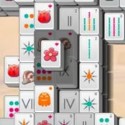
- Match-three and tile matching – swap or connect pieces of the same color or shape to clear the board.
- Logic grids and number puzzles – sudoku, nonograms, and similar formats where every answer can be deduced.
- Physics-based stages – drop, roll, or balance objects to reach a target.
- Word challenges – build words from scrambled letters or fill in hidden terms.
- Escape rooms and point-and-click riddles – search a scene, combine items, and unlock the exit.
- Block and shape fitting – arrange falling or fixed pieces to complete rows or fill an outline.
Many puzzle games mix two or more of these ideas. A physics level may also ask you to count moves, and an escape room might hide a word riddle behind a locked drawer.
How Solving Trains Your Thinking
Working through puzzles is not just a way to pass the time. Regular practice exercises several mental skills at once. Pattern recognition improves as you learn to spot matches faster. Short-term memory gets a workout when you need to remember where a key item was placed three screens ago. Planning becomes second nature once you realize that a careless move early on can block the whole board later.
There is also a quieter benefit: focus. A tricky level asks you to put other thoughts aside for a while, which many players find relaxing after a busy day. In most cases puzzle games reward patience more than speed, so you can go at your own pace without pressure.
Picking the Right Level of Difficulty
Not every fan of puzzle games wants the same thing. Some prefer a calm session with simple matching, while others look for stages that take twenty minutes of thinking. To find a good fit, try this order:
- Start with a title that has a short tutorial and clear visuals.
- Play the first five or six levels to see how quickly the challenge rises.
- If it feels too easy, look for versions with move limits or timers.
- If you get stuck often, switch to relaxed modes where there is no countdown.
- Return to harder stages later, since a fresh look often reveals the answer.
This approach helps you avoid frustration and keeps the experience enjoyable. Getting stuck is part of the genre, not a sign that you are doing something wrong.
Habits That Help With Tricky Levels
Every player hits a wall sooner or later. When that happens, a few habits can help you move forward:
- Work backward. Look at the goal and figure out which move must come right before it.
- Clear the edges first. In many grid-based puzzle games, corners and borders limit your options the most.
- Count your moves. If a stage has a limit, plan the full sequence before you touch anything.
- Step away briefly. A few minutes away from the screen often resets your perspective.
- Test ideas on purpose. A failed attempt still teaches you which option does not work.
Playing Together or Solo
Most titles in this section are built for one person, but they work surprisingly well in a group. Families often gather around a single screen to argue over which piece goes where, and friends compare scores on the same level to see who needed fewer moves. Some puzzle games include a daily challenge that everyone receives at the same time, which makes it easy to share results and discuss strategies.
If you prefer to play alone, the category offers plenty of long-form content with dozens or even hundreds of stages. You can save progress and come back whenever you like, picking up exactly where you left off.
Good Picks for Kids and Casual Players
Younger players and those new to puzzle games should look for titles with large icons, simple controls, and no strict timer. Shape sorting, picture assembly, and basic color matching are good starting points. These help children practice attention and hand-eye coordination while having fun. As confidence grows, they can move on to logic grids or small escape rooms.
Casual players who want a short distraction during a coffee break will find match-three and block puzzle games the most convenient. A single round rarely takes more than a few minutes, and there is always another level waiting.
Finding Your Next Favorite
Our catalog is updated regularly, and new titles are added as we find ones that meet our standards. You can browse by style, check what other players enjoy most, or simply try something at random. If you want to explore other genres after a puzzle session, the [Site Name] home page lists every category we cover, from action to sports.
Whatever your level, there is a challenge here that will make you stop, think, and feel that small spark of satisfaction when the last piece falls into place. Choose a stage that suits your mood and enjoy the process of working it out.